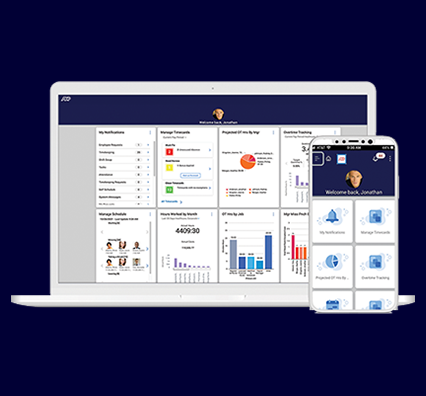
Recruitment is the term used to describe an organisation’s process for finding new employees — sometimes referred to as talent — usually to fulfil specific roles.
What is recruitment?
Recruitment, sometimes referred to as talent acquisition, is the process of identifying, attracting, assessing and hiring people to fill roles within an organisation. It includes activities such as defining hiring requirements, advertising positions, screening candidates, interviewing applicants, selecting suitable candidates and onboarding new employees.
Effective recruitment balances speed, quality and compliance. Clear role requirements, structured assessment processes and consistent decision-making can help organisations identify suitable candidates while supporting fair and compliant hiring practices.
In Australia, recruitment activities often influence downstream HR and payroll processes, including employee classification, remuneration, onboarding and workforce planning.

Things to know
- Recruitment includes attraction, screening, interviewing, selection and onboarding activities.
- Hiring and recruitment are related but not identical. Hiring focuses on filling a role, while recruitment covers the broader process of attracting and selecting suitable candidates.
- Some organisations manage recruitment internally, while others use recruitment agencies or specialist search firms.
- Recruitment decisions can affect employee classification, remuneration and employment arrangements.
- Structured and consistent recruitment processes can help improve hiring quality and reduce compliance risks.
FAQs
What activities are included in the recruitment process?
Recruitment typically includes workforce planning, job design, advertising roles, screening applications, interviewing candidates, conducting assessments, making offers and onboarding successful hires.
How is recruitment different from hiring?
Hiring refers to appointing a person to a role, while recruitment covers the broader process of attracting, assessing and selecting suitable candidates.
Why is recruitment important for organisations?
Recruitment helps organisations build the workforce capabilities they need to achieve business objectives, support growth and address skills gaps.
What are common recruitment challenges?
Organisations may face challenges such as attracting qualified candidates, reducing time-to-hire, managing recruitment costs and ensuring consistent hiring decisions.
How does recruitment affect HR and payroll processes?
Recruitment decisions influence employee records, compensation, onboarding, workforce planning and payroll administration, making accurate candidate information important from the outset.